Keep Your Tramontina Cookware Performing Like New
Professional tips for cleaning, cooking, and maintaining your stainless steel, nonstick, and cast iron cookware. Maximize the lifespan of your investment with our comprehensive care guide.
Mastering Stainless Steel: Cook Without Sticking
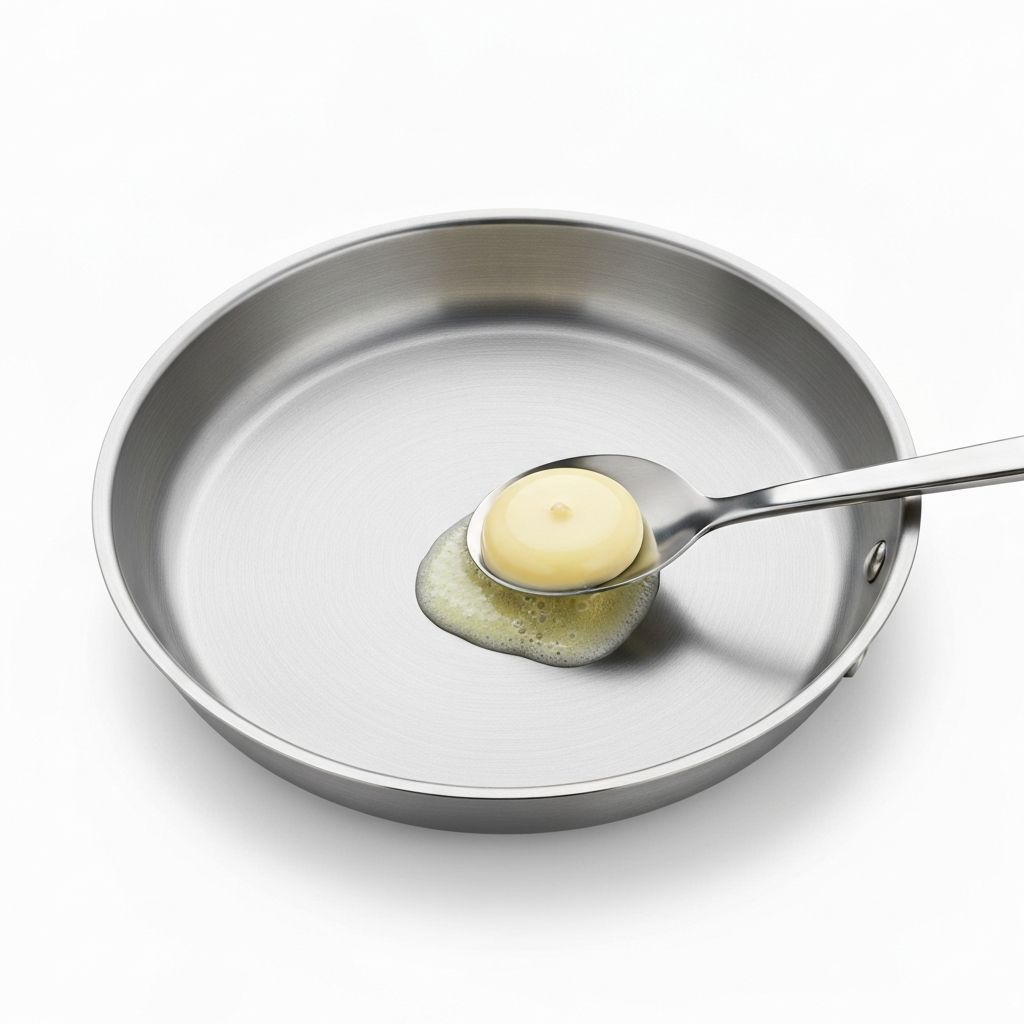
The "Hot Pan, Cold Oil" Method
The secret to cooking with stainless steel without sticking is proper heat management. Tramontina's tri-ply construction distributes heat evenly, making this technique even more effective. Follow these steps for perfect results every time.
Preheat Your Pan
Place your Tramontina stainless steel pan on medium heat for 2-3 minutes. The tri-ply construction ensures even heating.
Test the Temperature
Drop a small amount of water on the pan. If it forms a mercury-like ball that rolls around, your pan is ready (this is the "Leidenfrost effect").
Add Cold Oil
Add your cooking oil or butter to the hot pan. Swirl it around to coat the entire cooking surface evenly.
Add Your Food
Once the oil shimmers, add your ingredients. Let proteins develop a crust before moving them - they'll naturally release when ready.
Pro Tips for Stainless Steel Success
- Don't rush the heat: Properly preheating prevents sticking. Tramontina's aluminum core heats quickly and evenly.
- Use enough fat: A thin layer of oil or butter creates a barrier between food and metal.
- Pat food dry: Excess moisture causes steaming instead of searing, which leads to sticking.
- Let it release naturally: If meat sticks, it's not ready to flip. Wait until it develops a crust and releases easily.
- Deglaze to clean: After cooking, add wine or broth to the hot pan to lift browned bits - this becomes your sauce base and makes cleanup easier.
Complete Cleaning Guide: Remove Any Stain
Tramontina stainless steel cookware is built to last generations, but proper cleaning maintains its beauty and performance. Here's how to handle everything from daily washing to stubborn stains.
Daily Cleaning (Routine Maintenance)
For Stainless Steel:
- •Let the pan cool slightly before washing (never plunge hot pans into cold water - thermal shock can warp them)
- •Wash with warm soapy water and a soft sponge or cloth
- •Tramontina stainless steel is dishwasher safe, but hand washing preserves the shine longer
- •Dry immediately with a clean towel to prevent water spots
For Nonstick:
- •Hand wash with mild dish soap and a soft sponge (never use abrasive scrubbers)
- •Most Tramontina nonstick is dishwasher safe, but hand washing extends coating life
- •Avoid metal utensils - use silicone, wood, or nylon instead
Removing Rainbow Stains (Heat Tint)
Those blue, yellow, or rainbow-colored stains on stainless steel are caused by heat oxidation. They're completely harmless but here's how to remove them and restore your pan's shine.
Method 1: Bar Keepers Friend (Recommended)
- Wet the stained area with water
- Sprinkle Bar Keepers Friend powder on the stain
- Gently scrub with a soft sponge in circular motions
- Let it sit for 1 minute, then rinse thoroughly
- Repeat if necessary for stubborn stains
Method 2: Vinegar (Natural Alternative)
- Pour white vinegar to cover the stained area
- Let it sit for 5 minutes
- Wipe with a soft cloth in the direction of the grain
- Wash with soap and water, then dry
Removing Burnt Food & Stuck-On Residue
The Deglazing Method (Easiest)
- While the pan is still warm (not hot), add 1 cup of water
- Place on medium heat and bring to a simmer
- Use a wooden spoon to gently scrape up the burnt bits
- Discard the water and wash as normal
The Baking Soda Method (For Tough Jobs)
- Make a paste with baking soda and water
- Spread the paste over the burnt area
- Let it sit for 15-30 minutes
- Scrub gently with a non-abrasive sponge
- For extreme cases, boil water with baking soda in the pan for 10 minutes
Never use steel wool or harsh abrasive cleaners - they can scratch the surface and damage the polished finish.
Dishwasher Safety Guide
Dishwasher Safe:
- • Tramontina Tri-Ply Clad stainless steel
- • Tramontina Gourmet Prima stainless steel
- • Most Professional Aluminum nonstick (check specific product)
Hand Wash Recommended:
- • Enameled cast iron (harsh detergents can dull the enamel)
- • Nonstick cookware (extends coating lifespan)
- • Items with wooden or silicone handles
Note: While dishwasher safe, hand washing stainless steel preserves its mirror finish and prevents mineral deposits from hard water.
Restoring Shine: Make It Look Brand New
Over time, stainless steel can lose its luster. Here's how to restore that showroom shine to your Tramontina cookware:
Commercial Polish Method:
- Use a stainless steel cleaner like Bar Keepers Friend or Bon Ami
- Apply to a damp pan and scrub in circular motions with the grain
- Rinse thoroughly and buff dry with a microfiber cloth
- For extra shine, polish with a drop of olive oil on a paper towel
Natural Polish Method:
- Mix equal parts white vinegar and water in a spray bottle
- Spray the exterior and interior, let sit for 2 minutes
- Wipe clean with a soft cloth, following the grain
- Buff with a dry microfiber cloth for a streak-free finish
Oven Safe Temperature Guide
Understanding the temperature limits of your Tramontina cookware is essential for safe cooking and preventing damage. Here's a comprehensive reference chart for all Tramontina product lines.
Tri-Ply Clad Stainless Steel
Premium professional line
Safe for broiler use with stainless lids
Professional Aluminum Nonstick
Heavy-duty commercial grade
Check your specific model for handle type
Enameled Cast Iron
Dutch ovens & braisers
Perfect for slow braising and baking
Important Temperature Safety Tips
- •Never exceed the lowest temperature rating of your cookware components (e.g., if the lid is rated for 350°F, don't exceed that even if the pan can handle 500°F)
- •Glass lids should never be used under the broiler - they can shatter from direct heat
- •Handles will get hot in the oven - always use oven mitts or pot holders when removing cookware
- •Nonstick coatings can break down at very high temperatures - keep nonstick cookware under 400°F for longevity
- •Always preheat gradually - sudden temperature changes can cause warping, especially with nonstick
- •Check product labels for your specific Tramontina model - some variations may have different limits
Quick Reference: Common Cooking Temperatures
Slow Roasting
275-325°F
All Tramontina oven-safe
Standard Baking
325-375°F
All Tramontina oven-safe
High Heat Roasting
400-450°F
Check handle/lid ratings
Broiling
500°F+
Stainless steel only
Enameled Cast Iron Care: Protect Your Investment
Tramontina's enameled cast iron cookware combines the heat retention of traditional cast iron with a smooth, easy-to-clean enamel coating. With proper care, these pieces will last for decades and become family heirlooms.
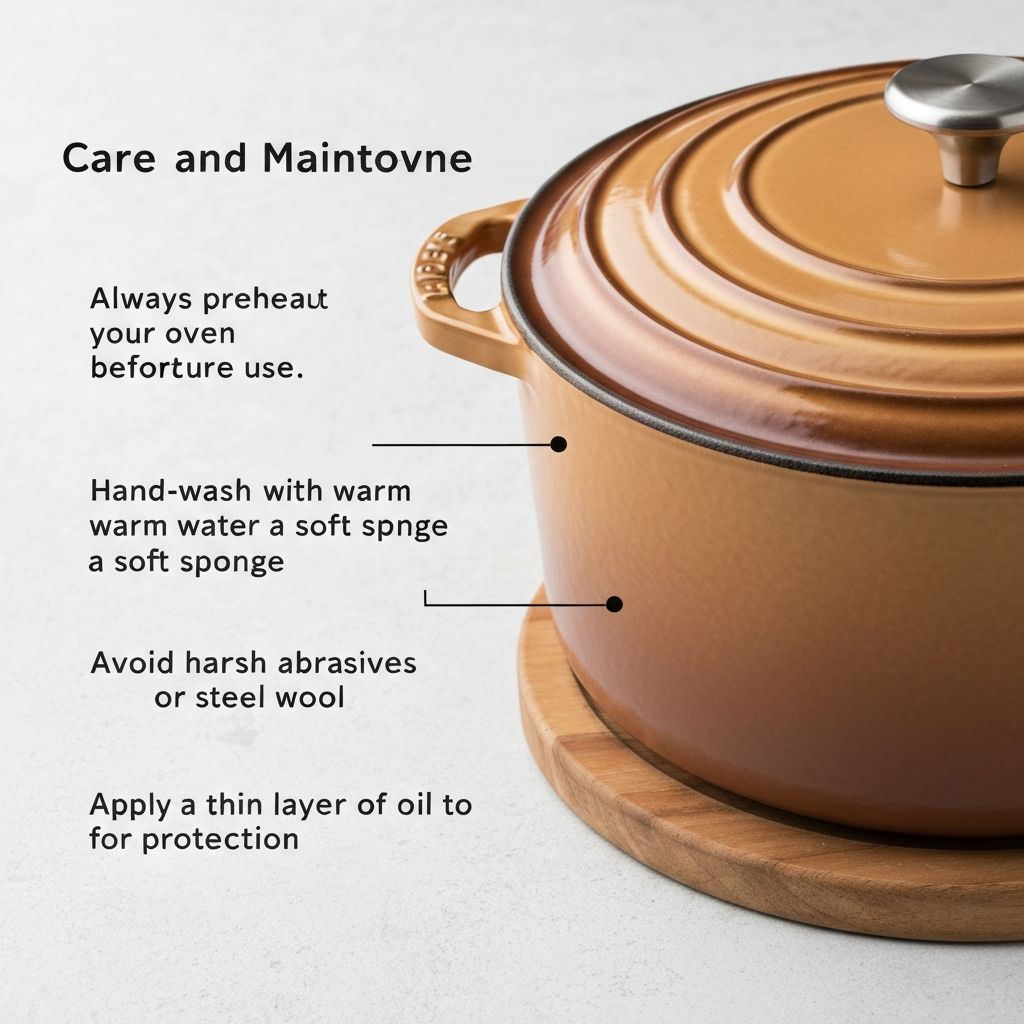
Daily Care & Cleaning
Washing Your Dutch Oven
- Let the cookware cool before washing - never plunge hot cast iron into cold water
- Hand wash with warm soapy water and a soft sponge or cloth
- For stuck-on food, soak in warm water for 15-20 minutes before scrubbing
- You can use nylon or silicone scrubbers, but avoid steel wool or metal scrapers
- Dry thoroughly after washing to prevent water spots
While some enameled cast iron is dishwasher safe, we recommend hand washing to preserve the enamel finish and prevent dulling from harsh detergents.
Removing Stubborn Stains
For Burnt Food or Dark Stains:
- Fill the pot with warm water and add 2 tablespoons of baking soda
- Bring to a gentle simmer on low heat for 10-15 minutes
- Let cool, then use a wooden spoon to gently lift the residue
- Wash with dish soap and rinse thoroughly
- For persistent stains, make a paste of baking soda and water, apply it to the stain, and let sit overnight
For Light Surface Stains:
- Mix equal parts baking soda and water to form a paste
- Apply to the stained area and let sit for 30 minutes
- Gently scrub with a soft sponge in circular motions
- Rinse thoroughly and dry
Preventing Damage & Chips
Avoid These Common Mistakes:
- ✗Don't use metal utensils: They can chip the enamel. Use wood, silicone, or nylon instead.
- ✗Don't stack without protection: Place a soft cloth or paper towel between pieces when storing.
- ✗Don't drop or bang: Cast iron is heavy and enamel can chip from impact.
- ✗Don't use extreme heat: High heat can damage the enamel over time.
- ✗Don't thermal shock: Never place a hot pot in cold water or on a cold surface.
Proper Storage Tips for Longevity
Storage Best Practices:
- Store with lids slightly ajar: This allows air circulation and prevents moisture buildup that can cause odors.
- Use pot protectors: If stacking, place felt pads, silicone mats, or paper towels between pieces to prevent chipping.
- Keep in dry location: Avoid storing in damp areas to prevent exterior rust on uncoated iron edges.
- Handle with care: Cast iron is heavy - use both hands when moving to prevent drops and chips.
What to Do If Enamel Chips:
Small chips in the enamel are cosmetic and won't affect cooking performance. Here's what to know:
- •Chips on the exterior are purely cosmetic and don't impact use
- •Small interior chips are generally safe - the enamel is food-safe material
- •Large interior chips exposing bare iron may rust - contact Tramontina about warranty coverage
- •Continue using the cookware normally - the cast iron underneath is still excellent for cooking
Protected by Tramontina's Lifetime Warranty
Most Tramontina cookware comes with a lifetime warranty against manufacturing defects. This doesn't cover normal wear and tear, but it does protect you against issues with materials or workmanship.
What's Covered
Manufacturing defects, warping under normal use, handle defects
Not Covered
Normal wear, improper use, overheating, scratches from utensils
Nonstick Coating
Limited warranty period (check specific product for details)
Frequently Asked Care Questions
Can I use metal utensils on Tramontina stainless steel?
Yes! One of the benefits of stainless steel is its durability. Metal utensils won't damage the cooking surface like they would with nonstick. However, metal utensils can cause small scratches over time, which are purely cosmetic.
Why does food stick to my stainless steel pan?
The most common reason is insufficient preheating or not enough fat. Make sure to preheat your pan for 2-3 minutes, test with the water droplet method, then add cold oil. Also, let proteins develop a crust before trying to move them - they'll naturally release when ready.
How long should Tramontina nonstick coating last?
With proper care (hand washing, using non-metal utensils, avoiding high heat), Tramontina's professional-grade nonstick coating can last 3-5 years or more. Some users report even longer lifespans with careful use. Avoid overheating and metal utensils to maximize coating life.
Can I put Tramontina cookware in the dishwasher?
Most Tramontina stainless steel is dishwasher safe, but hand washing preserves the shine longer. Nonstick cookware is often dishwasher safe but hand washing extends the coating life. Enameled cast iron should be hand washed to preserve the finish. Check your specific product manual for confirmation.
Is it safe to cook acidic foods in stainless steel?
Unlike reactive metals like aluminum or copper, Tramontina's 18/10 stainless steel is non-reactive. You can safely cook tomato sauce, wine-based sauces, citrus, and vinegar-based dishes without metallic taste or discoloration.
Do I need to season enameled cast iron?
No! Unlike traditional cast iron, enameled cast iron doesn't require seasoning. The enamel coating provides a naturally non-stick surface that's ready to use right out of the box. Just wash before first use and you're good to go.
Ready to Experience Professional Cookware?
Invest in cookware that will serve you for decades with proper care. Tramontina combines professional performance with exceptional value - backed by our lifetime warranty.
Shop Tramontina Collections